- Chris Comans
- 0 Comments
Many people ask how accurate a skin cancer check really is. A comprehensive examination performed by a suitably trained clinician using dermoscopy is one of the best ways to detect skin cancer early, but no screening examination can detect every skin cancer with complete certainty.
Understanding what a skin examination can and can’t detect helps you make informed decisions about your skin health and screening routine.
What Happens During a Skin Cancer Check?
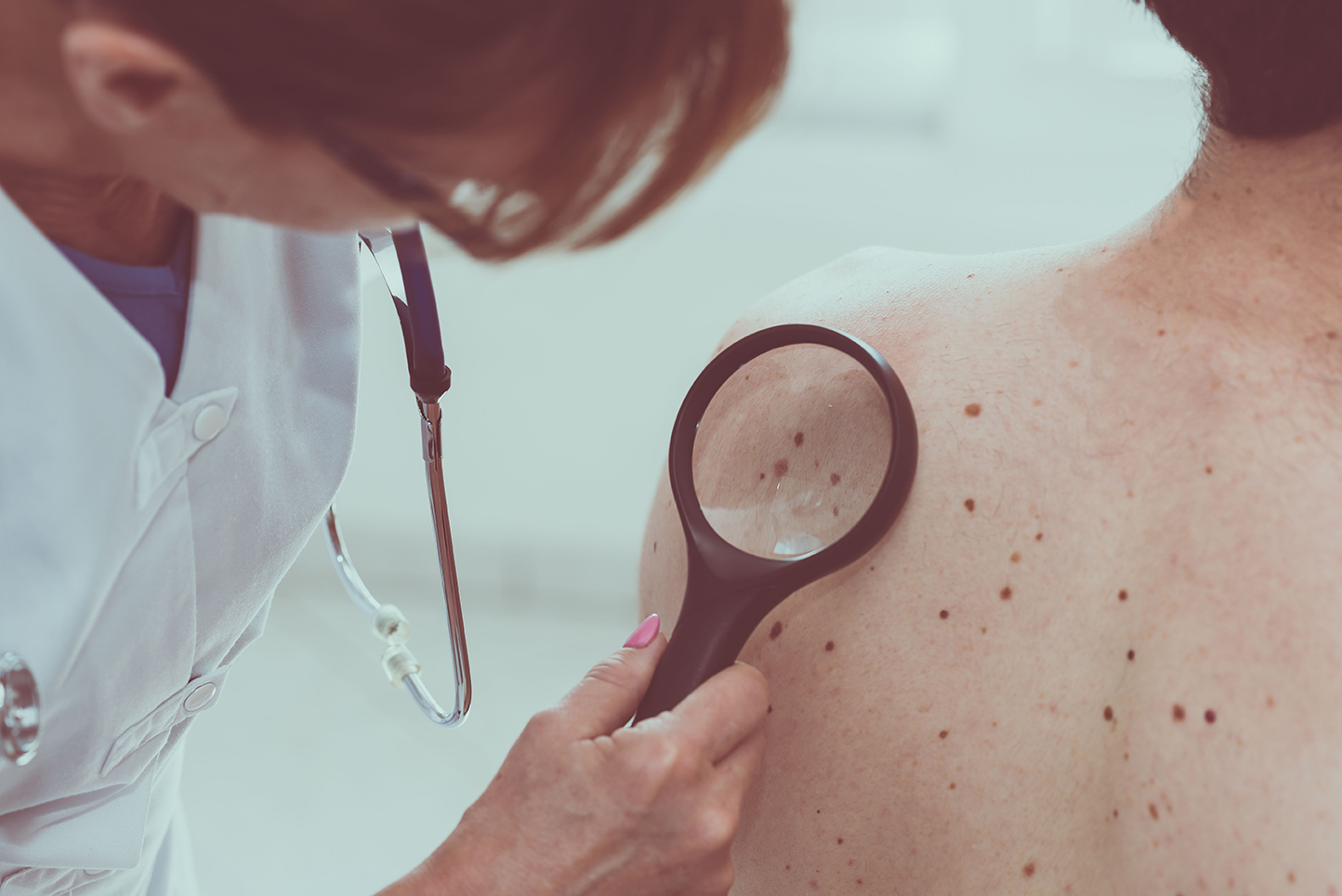
Your skin is systematically examined from head to toe. Suspicious lesions are assessed using dermoscopy, which allows trained clinicians to see structures beneath the skin surface that are invisible to the naked eye.
This thorough approach ensures that lesions on all parts of the body, including hard-to-see areas, receive proper attention.
A comprehensive skin check takes time. Rushed examinations may miss early cancers, which is why the quality of the assessment matters as much as the clinician’s expertise. What to expect during a skin cancer check explains the process in detail.
Does Dermoscopy Improve Accuracy?
Yes. Dermoscopy significantly improves the diagnostic accuracy of melanoma and many non-melanoma skin cancers when used by appropriately trained clinicians and is considered an essential part of modern skin cancer assessment.
This technology allows clinicians to identify features that would otherwise remain hidden.
Patterns of pigment distribution, blood vessels, and other microscopic structures become visible under dermoscopic magnification. These details help distinguish benign lesions from cancerous ones. The role of dermoscopy in skin cancer detection explains how this technology supports accurate diagnosis.
Without dermoscopy, many early skin cancers would be missed because they appear subtle or atypical to the naked eye.
Why Isn’t a Skin Cancer Check 100% Accurate?
Some skin cancers are very small or lack typical features when they first develop. Others arise after your examination. For this reason, no clinician can guarantee every skin cancer will be detected during a single appointment.
Additionally, some lesions evolve over time. A spot that appears benign during one visit may develop concerning features by the next appointment.
This is why understanding how fast skin cancers can grow and how long you can have skin cancer without knowing it is an important context for understanding screening limitations.
Early-stage skin cancers can be remarkably subtle, and even experienced practitioners may not identify every lesion during a single examination.
Does Clinician Experience Matter?
Yes. Education, training and experience play an important role in recognising the wide range of ways skin cancers can present. Many suspicious lesions do not follow classic textbook appearances.
Clinicians with extensive training and experience recognise variations in presentation that might be missed by less experienced practitioners.
They understand that different types of skin cancer can appear in unexpected ways.
This expertise is particularly valuable in Australia and Western Australia, where skin cancer rates are among the highest globally.
Should You Still Check Your Own Skin?
Yes. Regular self-skin examinations complement professional screening. Watch for new, changing or unusual lesions, sores that do not heal, or spots that bleed repeatedly. Best practices for self-skin checks provide guidance on effective self-monitoring.
You know your skin better than anyone. Noticing changes is important, and bringing these changes to professional attention ensures they receive proper assessment.
Self-awareness combined with professional screening provides the most comprehensive approach to early detection.
Why Regular Skin Checks Matter
Your skin changes over time. Routine professional examinations, together with self-awareness, provide the best opportunity to detect skin cancer early. A single skin check provides a baseline, but ongoing monitoring is what catches lesions as they develop.
How often you should get a skin check depends on your individual risk factors, but most people benefit from annual screening. People with high-risk factors, including outdoor workers, those with fair skin, or anyone with a history of skin cancer, should be screened more frequently.
Regular examinations also allow clinicians to monitor existing lesions for changes and identify new ones as they emerge.
Book Your Skin Cancer Screening with Skin ChX
Skin ChX provides comprehensive full-body skin cancer screening using dermoscopy. If a suspicious lesion is identified, an appropriate referral is provided to your GP or specialist for further investigation and management.
We understand that while no skin check is perfect, regular professional screening combined with self-awareness provides your best protection against skin cancer. In Western Australia’s high-risk UV environment, early detection through proper screening can make all the difference.