- Chris Comans
- 0 Comments
Yes. You can develop skin cancer without ever being sunburnt. Some cancers can also develop in areas that have never been exposed to sunlight.
These are two different situations. UV radiation can damage skin without causing visible sunburn, while some cancers develop through pathways that are not driven by UV exposure. Genetics and changes to immune function can also influence risk.
Does Skin Damage Always Cause Sunburn?
No. Sunburn is a visible response to excessive UV exposure, but damage can occur before your skin becomes red or sore.
Everyday exposure while gardening, walking or working outdoors contributes to your lifetime UV exposure. You do not need a history of blistering sunburn, sunbaking or beach holidays to develop skin cancer.
In Western Australia, sun protection matters throughout much of the year, including on cooler and cloudy days.
Can Melanoma Develop Where the Sun Never Reaches?
Yes. Melanoma can develop on the palms, soles and beneath the nails. Melanoma arising at these sites is called acral melanoma, and most cases do not show the typical UV damage pattern seen in sun-related melanoma.
You can read more about melanoma on the palms.
Melanoma can also arise in mucosal tissue, including inside the mouth and in genital or anorectal areas.
These are different sites from the skin routinely examined during a skin check. A spot should never be dismissed simply because it is somewhere that receives little or no sunlight.
What Is Occult Melanoma?
Melanoma can spread without an identifiable original tumour. This is called melanoma of unknown primary, or an occult primary.
One possible explanation is that the original melanoma regressed, meaning the immune system partly or completely removed it after it had already spread. Other possibilities include an unrecognised primary in the skin, eye or mucosal tissue.
I recently discussed this with my mentor, and we considered how these cases are understood. An unknown primary does not establish that the melanoma was unrelated to sun exposure.
Research has found UV-related genetic changes in many of these tumours. The treating specialist team assesses the possible origin and appropriate investigations. Non-UV skin cancers explain other pathways that do not depend on sun exposure.
How Does the Immune System Affect Skin Cancer Risk?
A weakened immune system can increase skin cancer risk. This may result from blood cancers such as lymphoma, or from medicines that suppress immunity, including some treatments used after organ transplantation or for autoimmune disease. Previous UV damage may still contribute.
Causes of Reduced Immunity
Immunity can be reduced by organ or bone marrow transplantation (due to anti-rejection drugs), long-term corticosteroid therapy, HIV infection, and certain cancer treatments, including chemotherapy and biologics. For many transplant patients, six-monthly professional skin checks are recommended.
Viruses and Skin Cancer
Some viruses can also play a role. High-risk strains of human papillomavirus (HPV) can cause squamous cell carcinoma, often on the fingers, around the nails, or in genital and perianal skin.
Merkel cell polyomavirus is linked to Merkel cell carcinoma, a rare and aggressive cancer that usually presents as a rapidly growing, painless nodule. Human herpesvirus 8 (HHV-8) is responsible for Kaposi sarcoma, which forms purple or brown patches or nodules, usually on the legs or face. Viruses, immunity and the skin look at this connection in more detail.
This is why the full medical and treatment history matters when assessing risk.
What Is Gorlin Syndrome?
Gorlin syndrome, also called nevoid basal cell carcinoma syndrome, is a rare genetic condition that increases susceptibility to multiple basal cell carcinomas, often beginning at a young age. It can also be associated with skeletal differences and other features.
Multiple BCCs in a young person can raise suspicion, but diagnosis requires appropriate clinical assessment and sometimes genetic testing. Genetics and hereditary skin cancer covers how inherited factors influence risk.
Gorlin syndrome demonstrates why skin cancer risk cannot be explained by sun exposure alone. Sun protection remains important for people with this condition.
What Should You Look For?
Get to know your skin, including your scalp, soles, palms and nails. Your feet are part of that check too. Arrange assessment of a new or changing spot, a growing lump, unexplained bleeding or a sore that does not heal.
If your immunity is reduced, watch for:
- A new lump or plaque that grows rapidly
- Ulcers or sores that fail to heal within a few weeks
- Discoloured or shiny nodules on the face, legs or genitals
- Sudden changes in existing scars or chronic wounds
- Any spot that bleeds easily or feels tender without reason
These symptoms don’t always mean cancer, but in people with immune suppression, it’s safer to have them assessed early.
When you book, tell your practitioner about:
- Any previous cancers
- Relevant medications
- Changes to your immune system
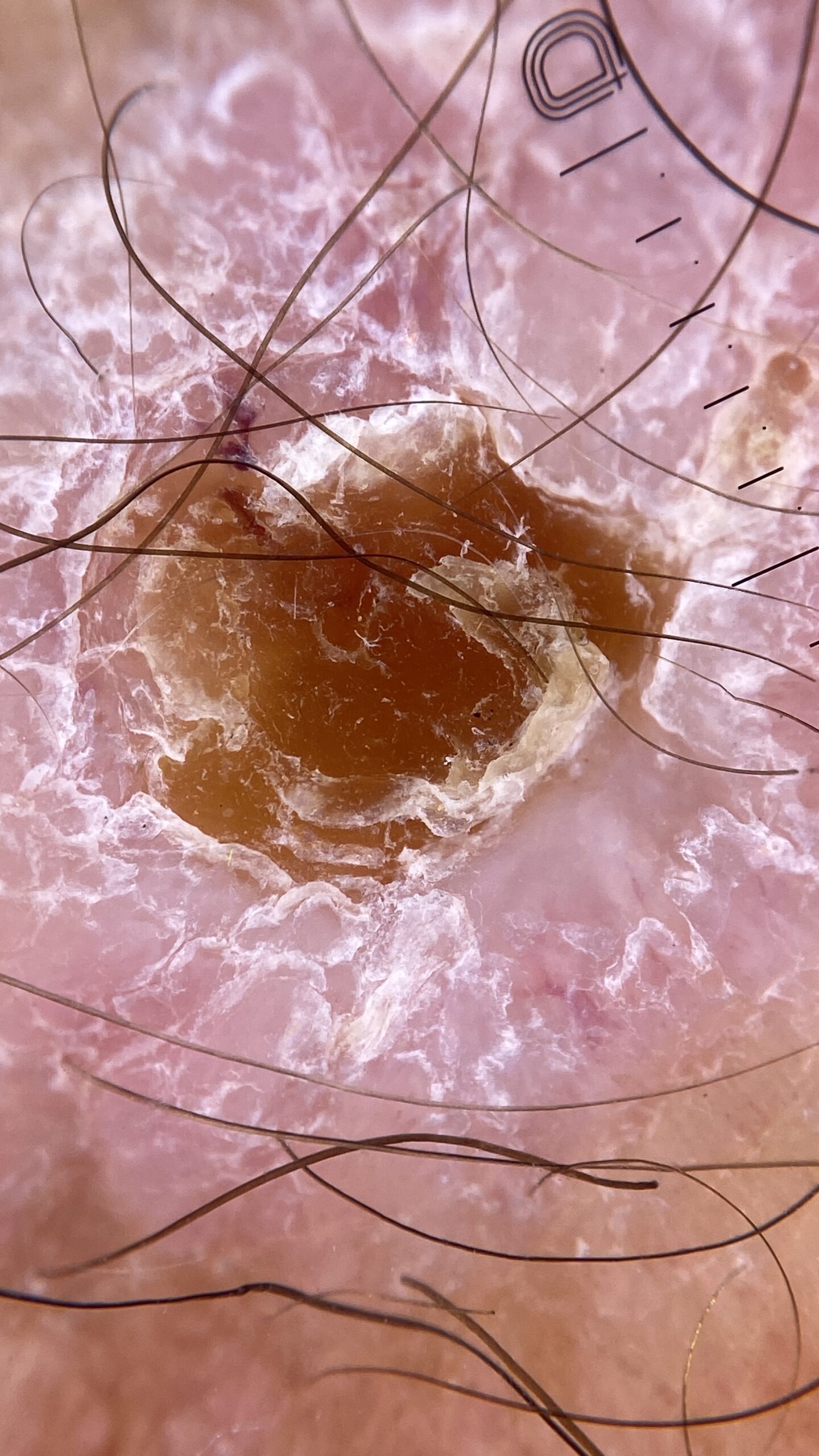
At Skin ChX, I assess skin using dermoscopy and consider your individual history when identifying lesions requiring further medical assessment. The role of dermatoscopy in skin cancer detection explains how this helps.
The Bottom Line
Never being sunburnt does not mean you cannot develop skin cancer. Early detection saves lives.
Visit Skin ChX to arrange a skin check. What to expect during a skin cancer check explains the process.
Christine Comans Skin Cancer Screening Practitioner, Skin ChX