- Chris Comans
- 0 Comments
When people are told they may require treatment for a skin lesion, they are often unfamiliar with the different treatment options available. Two commonly discussed procedures are cryotherapy and surgical excision.
It’s important to understand that Skin ChX does not perform cryotherapy, biopsies, or surgical excisions. Our role is focused on skin cancer screening, dermoscopic assessment, early detection, and referral where appropriate.
What Is Cryotherapy?
Cryotherapy involves freezing a lesion using liquid nitrogen. The extreme cold destroys abnormal tissue cells, allowing the area to eventually heal and regenerate. This procedure is one approach to treating skin lesions that may not require surgical removal.
What Is Surgical Excision?
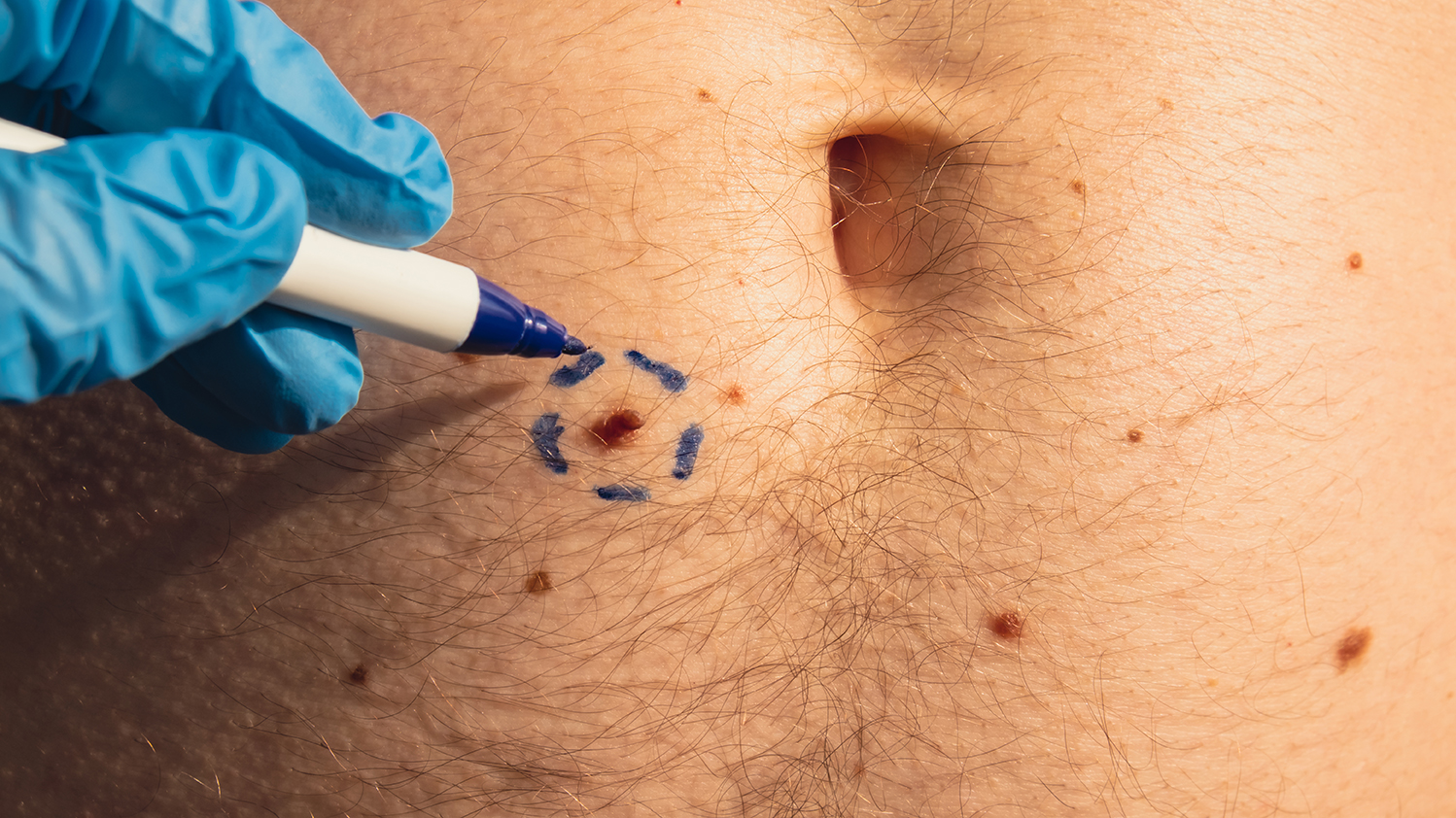
Surgical excision involves physically cutting the lesion out of the skin under local anaesthetic. The removed tissue is then sent to pathology for microscopic examination. This approach removes the lesion completely and provides material for detailed analysis.
The Key Difference: Pathology Analysis
Unlike cryotherapy, excision provides a tissue sample for pathology analysis. This is particularly important for diagnosing melanoma and many other skin cancers. When tissue is sent to pathology, it can be examined microscopically to determine exactly what the lesion is and whether cancer is present.
This fundamental difference between the two procedures makes the choice significant. Cryotherapy destroys tissue but does not provide a sample for examination. Excision removes tissue and provides that sample.
Understanding different types of skin cancer helps clarify why tissue diagnosis matters for certain lesions.
When cancer is suspected, the ability to examine tissue under a microscope becomes critically important. This is why the choice of procedure depends on what the lesion might be.
Factors That Influence Treatment Choice
The choice between cryotherapy and surgical excision depends on several factors. Each plays a role in determining which procedure is most appropriate.
Type of Lesion
The type of lesion being treated influences which approach is suitable. Different lesions may respond better to different procedures.
Cancer Suspicion
Whether cancer is suspected is critical. A lesion that appears benign may be managed differently than one with suspicious features.
Location on the Body
The location of the lesion on the body matters significantly. Treatment success and healing vary depending on where the lesion is located.
Cosmetic Considerations
Cosmetic outcomes are also important, as different procedures may affect appearance differently.
Australia’s High UV Environment
Australia’s high UV environment means skin damage is extremely common, particularly in Western Australia where outdoor lifestyles and occupational sun exposure contribute to increased skin cancer risk. Many people in WA spend significant time working or enjoying activities outdoors, which means cumulative sun exposure throughout life.
According to Cancer Council Australia, two in three Australians will be diagnosed with skin cancer by the age of 70. This statistic highlights how prevalent skin cancer is in our population.
In Western Australia specifically, the combination of intense UV exposure, outdoor industries, and lifestyle patterns means skin damage and skin cancer are particularly common concerns.
Skin ChX’s Role in the Assessment Process
Early Detection Through Dermoscopy
At Skin ChX, dermoscopy is used during skin assessments to help identify suspicious lesions early. Dermoscopic assessment allows us to examine lesions more carefully than visual inspection alone.
If concerning features are identified during assessment, patients are referred to an appropriate medical practitioner for further management and treatment decisions.
Early identification of suspicious lesions means these can be referred for proper assessment and treatment planning at the earliest possible stage. The role of dermoscopy in skin cancer detection is essential in this process.
Clinical Judgment Guides Management
Importantly, not every lesion requires aggressive treatment. Management decisions should always be guided by proper assessment and clinical judgement. The right approach depends on what the lesion actually is, which is why professional assessment is so important.
Understanding Subtle Presentations
The Misconception About Appearance
One of the biggest misconceptions in skin cancer care is that all suspicious spots are large, dark, or obvious. In reality, many skin cancers can appear subtle, particularly in their early stages. This means a lesion might not look like what people expect a skin cancer to look like.
Warning Signs to Watch For
Because subtle presentations are common, it’s important to pay attention to changes in your skin. If you notice a lesion that is changing, crusting, bleeding, growing, or not healing, it is worth having it assessed professionally. These characteristics suggest something may be wrong, even if the lesion doesn’t appear obviously dangerous.
Early assessment allows for proper diagnosis and appropriate management. The earlier a suspicious lesion is identified and referred for treatment, the more straightforward that treatment is likely to be. When a spot might be dangerous requires professional evaluation.
The Bottom Line
The choice between cryotherapy and surgical excision depends on proper professional assessment. Understanding these different approaches helps you appreciate why early detection and proper assessment are so important.
If you’ve noticed a lesion that concerns you, or if it’s been a while since your last skin check, book an assessment with a qualified skin cancer screening practitioner. Early identification ensures appropriate treatment decisions are made when options are most straightforward.