- Chris Comans
- 0 Comments
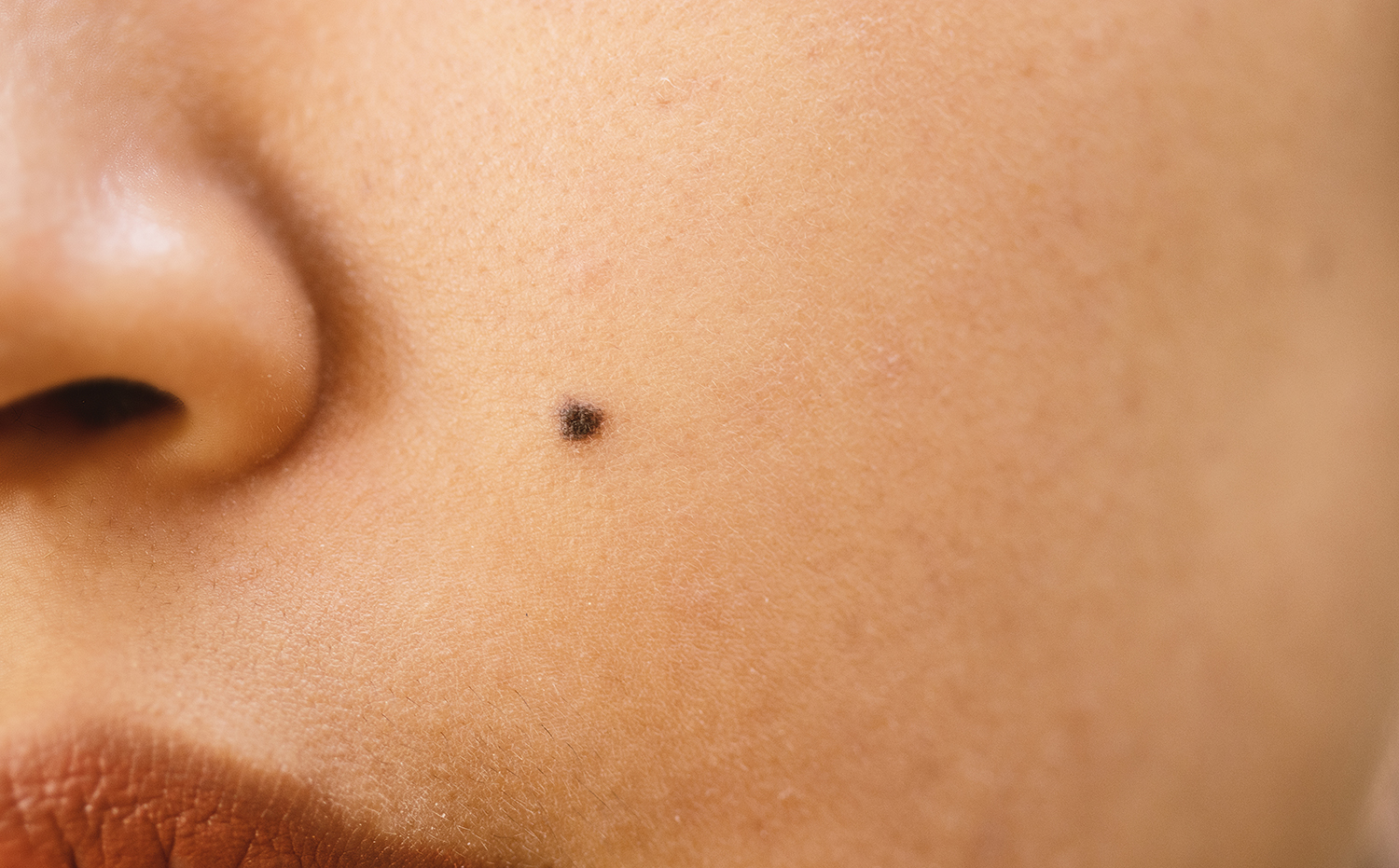
Finding that a mole has suddenly turned black can be unsettling. For many people, it’s a change that seems to happen overnight, raising understandable concerns about skin cancer. The good news is that not every mole that becomes dark or black is cancerous.
Sometimes there is a simple explanation, such as minor trauma or bleeding beneath the skin.
However, because melanoma can also present as a dark or black lesion, it’s important that any significant change is professionally assessed rather than ignored.
At Skin ChX, we encourage people to become familiar with their skin and seek assessment whenever they notice something new, changing or unusual.
Early detection remains one of the most important factors in achieving the best possible outcomes for skin cancer.
Why Would a Mole Suddenly Turn Black?
There are several reasons why a mole may suddenly appear much darker than before.
Minor Trauma
It is surprisingly common for a mole to become darker after being knocked, scratched or rubbed repeatedly by clothing. Small blood vessels within the lesion can bleed beneath the surface, causing the mole to appear dark brown, purple or almost black while it heals. Often people don’t even remember injuring the area.
Bleeding Within the Lesion
Bleeding beneath a mole or benign skin lesion can dramatically change its appearance over a short period. As the blood breaks down, the lesion may temporarily look much darker than normal.
Benign Skin Changes
Some harmless moles naturally change over time. They may gradually become darker, lighter or even lose pigment as part of the ageing process. However, changes occurring over days or weeks should always be assessed.
Melanoma
One possible explanation is melanoma. While many melanomas are dark brown or black, they may also contain blue, grey, white or pink. Importantly, many melanomas in Australia develop as completely new lesions rather than from an existing mole. Understanding melanoma specifically helps explain its varied presentations and why professional assessment matters.
When Should You Be Concerned?
Arrange a professional skin assessment if a lesion suddenly changes colour, grows, develops an irregular border, bleeds, crusts, ulcerates, continues changing, or simply looks different from your other moles. Knowing what warning signs to look for helps you recognise when assessment is needed.
Trust your instincts. If something doesn’t seem right about a mole, professional evaluation is always appropriate.
Can You Tell If It’s Melanoma Just by Looking?
Unfortunately, no. At Skin ChX, comprehensive skin cancer screening includes dermoscopy, allowing detailed examination of structures beneath the skin surface. Dermoscopy is combined with your clinical history and a thorough skin examination to determine whether further investigation is required. The role of dermoscopy in skin cancer detection explains how this technology supports accurate assessment.
Many lesions that appear concerning to the naked eye may be benign, while some that look harmless may require further investigation. This is why professional expertise and proper tools are essential.
What Happens If Skin ChX Finds Something Suspicious?
Skin ChX provides comprehensive skin cancer screening and early detection services. If a suspicious lesion is identified, we provide a detailed clinical report and referral to your GP or an appropriate specialist for biopsy or treatment where required.
This referral process ensures that if further investigation or treatment is needed, you receive care from qualified professionals who specialise in skin cancer management.
The Bottom Line
A mole that suddenly turns black isn’t always melanoma, but it should never be ignored. Many darkened moles are benign; however, because melanoma can also present this way, professional assessment is the safest option.
At Skin ChX, we believe knowledge leads to early detection, and early detection saves lives. If you’ve noticed a changing mole, book a comprehensive skin cancer screening for reassurance and expert assessment.