- Chris Comans
- 0 Comments
Having skin cancer removed can bring an enormous sense of relief. However, a common question following treatment is: can skin cancer come back?
The answer is yes, it can. It is important to distinguish between a skin cancer recurring at the original site and an entirely new skin cancer developing elsewhere.
For people who have previously had skin cancer, ongoing skin surveillance remains important even after successful treatment.
What Does Recurrence Mean?
A recurrence occurs when cancerous cells return in or around the area where the original skin cancer was treated. Treatment is generally designed to completely remove or destroy the cancer. When a lesion is surgically removed, the tissue is usually sent for histopathological examination.
The pathologist examines the tissue under a microscope, confirms the diagnosis and assesses relevant features, including whether the tumour appears to have been completely excised.
If cancerous cells extend to or close to the surgical margin, additional treatment may sometimes be recommended. Even following appropriate treatment, however, recurrence can occasionally occur.
Different Skin Cancers Have Different Risks
The likelihood of recurrence varies according to several factors, including the type of skin cancer, its size and location, how deeply it has grown, histological characteristics, the treatment used, whether adequate treatment margins were achieved and individual patient factors.
Some basal cell carcinomas and squamous cell carcinomas have features that make them more likely to recur than others. Melanoma follow-up is determined according to factors such as the original melanoma’s stage and pathological characteristics. Your treating medical practitioner will advise what follow-up is appropriate for your individual diagnosis.
Understanding different types of skin cancer helps explain why recurrence risks vary between cancer types.
A New Skin Cancer Is Not Necessarily a Recurrence
If someone who previously had a BCC later develops another BCC elsewhere, this does not necessarily mean that the first cancer has “come back.” It may be a new primary skin cancer.
Previous skin cancer is an important marker of future risk. The same combination of ultraviolet exposure, skin type, genetics, age and other factors that contributed to the first skin cancer may continue to influence the skin over time.
This is why treatment of one lesion doesn’t mean the rest of the skin can be forgotten.
Keep an Eye on Previous Treatment Sites
After a skin cancer has been removed, become familiar with the appearance of the scar and surrounding skin. Changes worth having assessed include a new lump within or beside the scar, persistent redness or scaling, recurrent crusting, bleeding, ulceration, a sore that does not heal, new pigmentation or another unexplained change.
Not every change around a scar means the cancer has returned. Scar tissue itself can change during healing, and benign conditions can also develop around previous treatment sites. Nevertheless, a persistent or evolving change deserves assessment.
Knowing what to monitor helps you identify changes worth professional evaluation.
The Importance of Ongoing Skin Surveillance
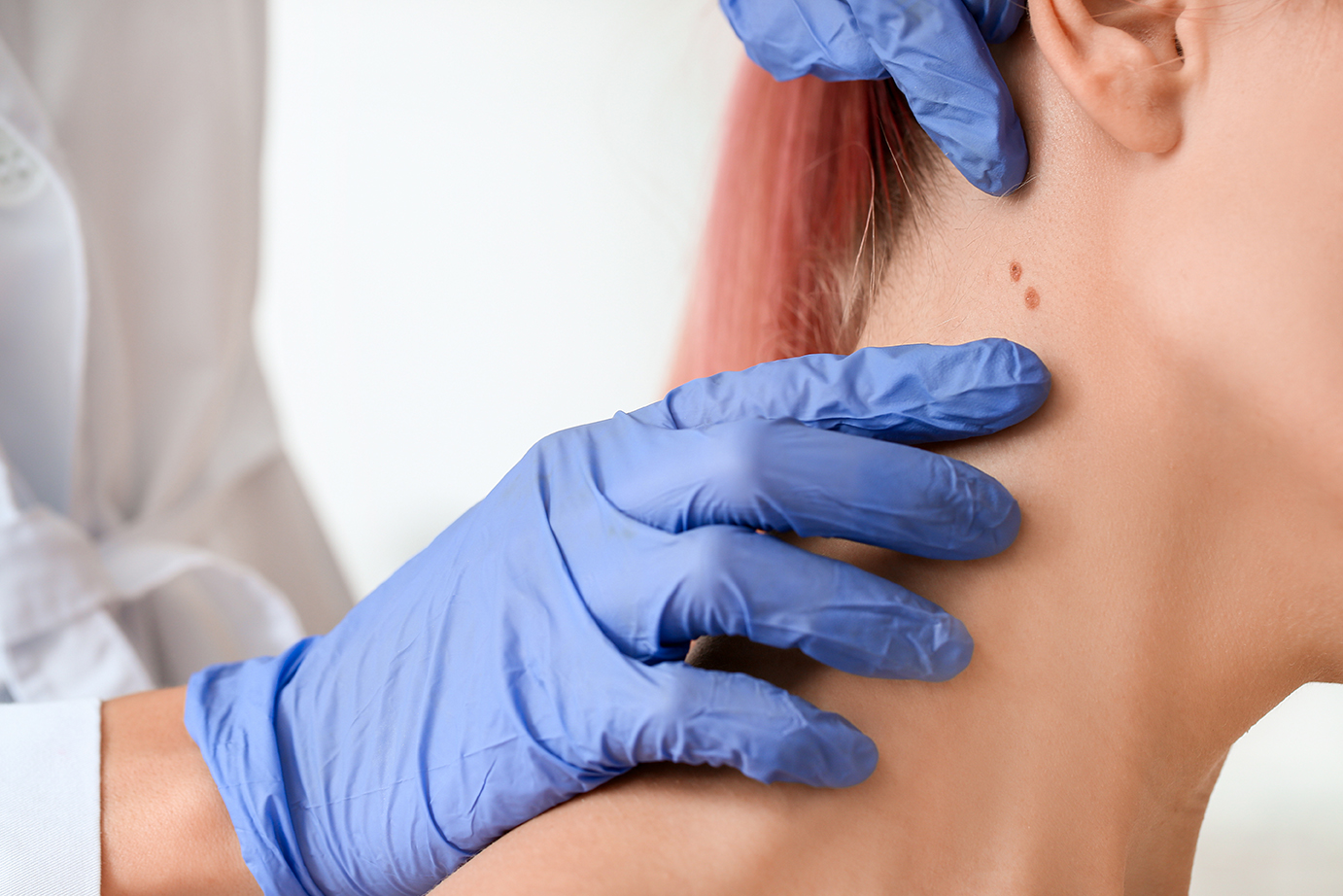
A previous skin cancer is a reason to remain particularly vigilant about your skin. Professional skin examinations can help monitor previously treated areas while also examining the remainder of the skin for new suspicious lesions.
Dermoscopy can assist in assessing lesions in greater detail and, where appropriate, images may be used to monitor particular lesions over time.
Between professional examinations, regular self-checking is also valuable. How often to be screened depends on your individual risk factors and medical advice.
Follow the Advice of Your Treating Practitioner
There is no single follow-up schedule suitable for everyone who has had skin cancer. The appropriate frequency depends on your previous diagnosis, treatment, individual risk factors and the advice of the medical practitioners involved in your care.
Most importantly, don’t wait until your next scheduled skin check if you notice something concerning. A previously treated skin cancer can recur, and people who have had skin cancer can also develop completely new skin cancers.
The Bottom Line
Removal treats a particular cancer, but it doesn’t remove your future skin cancer risk. Ongoing skin awareness, appropriate professional surveillance and early assessment of new or changing lesions remain important parts of looking after your skin.
Don’t assume that because one skin cancer has been treated, you won’t develop another. Regular monitoring combined with self-awareness provides your best protection against future skin cancers.