- Chris Comans
- 0 Comments
If you’ve started looking into booking a skin check, you’ve likely come across two options: bulk billing clinics and private skin cancer clinics. And naturally, the first question is often about cost.
But the more important question is: what level of care are you receiving? Because when it comes to skin cancer detection, it’s not just about access, it’s about how thorough and accurate the assessment is.
What Is Bulk Billing?
Bulk billing means the clinic bills Medicare directly, and you have no out-of-pocket cost for the consultation. This plays an important role in making healthcare accessible, particularly for families and those who may otherwise delay care.
However, bulk billing models often rely on high patient volume, shorter consultation times, and streamlined appointment structures. This doesn’t mean the care is poor, but it does mean there are often time constraints.
What Is a Private Skin Cancer Clinic?
Private clinics charge a fee for service, with a Medicare rebate typically covering part of the cost. This model allows for longer consultation times, more detailed assessments, greater use of imaging and monitoring, and a more individualised approach.
Understanding what to expect during a professional skin check helps you evaluate the quality of care you’re receiving, regardless of billing model.
Understanding Pricing in Australia
In Australia, many standard skin checks performed in general practice are privately billed. It’s common to see fees in the range of $140 to $150 for a skin check, with a Medicare rebate of approximately $40, leaving an out-of-pocket cost for the patient.
This reflects the reality that skin cancer assessments require time, clinical skill, and appropriate equipment. When comparing pricing, it’s important to consider not just the fee, but what is included in the consultation. For more information about pricing, see our cost guide for skin cancer screening.
A lower upfront cost doesn’t always mean greater value if the assessment is brief or limited. Likewise, a slightly higher fee may reflect more time spent on your skin check, a more detailed dermoscopic assessment, imaging and documentation for monitoring, and a higher level of experience in skin cancer detection.
For many people, the goal isn’t just affordability, it’s confidence that their skin has been assessed thoroughly and properly.
Why This Matters in Skin Cancer Detection
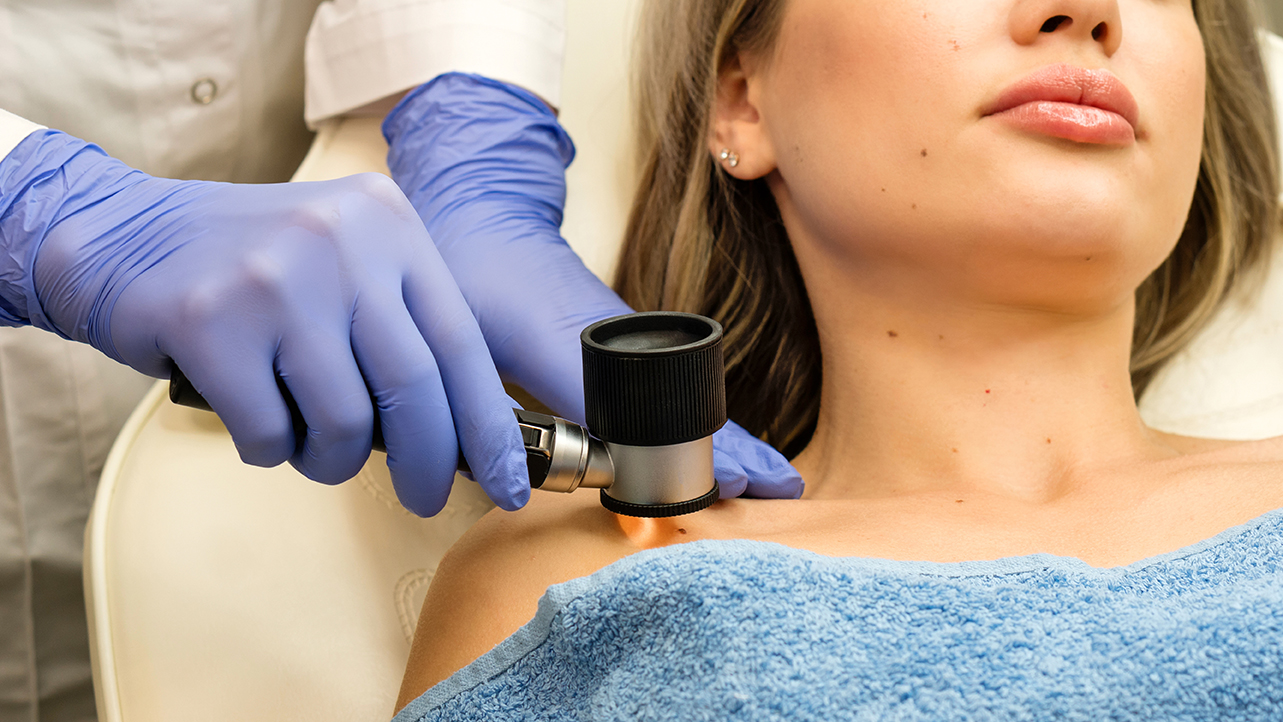
Skin cancer screening is not a quick or simple process. A thorough skin check involves assessing the entire skin, not just areas of concern, using dermoscopy to examine structures beneath the surface, identifying subtle changes that may not be visible to the naked eye, and documenting findings for future comparison.
This takes time. Understanding how to tell if a spot is dangerous requires professional expertise and proper assessment time.
The Reality in Western Australia
Australia has one of the highest rates of skin cancer in the world, and Western Australia in particular experiences intense UV exposure year-round. That means early detection isn’t just important, it’s critical. Understanding why skin cancer is so prevalent in Australia helps explain why thorough screening matters.
In many cases, people haven’t had a full skin check in years, have had quick checks in the past, or have been reassured previously about spots that later changed. Skin cancer can be subtle. And when assessments are rushed, those subtle signs can be missed.
The Trade-Off: Cost vs Time
Bulk billing increases accessibility, but often at the cost of time per patient. Private clinics involve an out-of-pocket expense, but typically allow for a more thorough examination, greater attention to detail, and better documentation and monitoring.
This highlights an important trade-off: cost vs time spent on your skin check.
What Should You Consider When Choosing?
Instead of focusing only on whether a clinic bulk bills or charges privately, it’s worth asking:
- How long is the appointment?
- Is a full skin check performed?
- Is dermoscopy used as a standard?
- Are images taken for monitoring over time?
- Will I receive a clear, detailed report?
- Is there a structured follow-up plan if something is found?
Understanding how often you should get screened is also important for ongoing protection.
The Bottom Line
Your skin check shouldn’t feel rushed. It should feel thorough, considered, and professional. Because early detection only works when it’s done properly.
Whether you choose a bulk billing clinic or a private clinic, the key is ensuring your skin is assessed with time, attention to detail, and clinical expertise.
At Skin ChX, we provide comprehensive skin cancer screening using advanced dermoscopy and systematic assessment. Our focus is on thoroughness and accuracy, ensuring every lesion is properly evaluated. We understand that in regional and remote areas of WA, access to quality screening can be challenging, which is why we bring professional on-site skin cancer detection directly to communities across the state.
If it’s been a while since your last skin check, or something has changed, don’t delay. The value of early detection is far greater.