- Chris Comans
- 0 Comments
Finding a lump or bump under your skin can be unsettling. In Australia, where skin cancer rates are among the highest in the world, many people immediately worry that any new growth could be dangerous. However, not every bump is a cancer.
Cysts are extremely common and often mistaken for something more serious.
Understanding the key differences between skin cancers and cysts helps you know when to seek assessment and what to expect during screening.
While both can appear as raised lumps, their characteristics, behaviour, and risk levels differ significantly.
What Is a Cyst?
A cyst is a closed pocket of tissue filled with fluid, pus, or other material. Cysts form when cells multiply within a confined space or when a hair follicle or skin gland becomes blocked.
Common Types of Skin Cysts
Epidermoid cysts are the most common type, appearing as small, round bumps beneath the skin surface. They typically contain keratin, the protein that makes up skin and hair. These cysts feel smooth, firm, and moveable under the skin.
Pilar cysts form around hair follicles, most often on the scalp. They feel similar to epidermoid cysts but tend to be firmer and more defined.
Both types are benign, meaning they’re not cancerous and won’t spread. However, they can become inflamed, infected, or uncomfortable, particularly if they rupture beneath the skin.
What Does a Cyst Look and Feel Like?
Cysts have distinctive characteristics that help differentiate them from skin cancers:
- Round or dome-shaped with smooth edges
- Skin-coloured or slightly yellow
- Soft to firm texture, often moveable beneath the skin
- May have a central pore or punctum (a small dark opening)
- Grow slowly over months or years
- Usually painless unless infected or inflamed
- Can discharge thick, cheese-like material if squeezed
When a cyst becomes infected, it may turn red, painful, and warm to touch. Some people mistake infected cysts for abscesses or other skin infections.
How Skin Cancers Present Differently
Unlike cysts, skin cancers arise from abnormal cell growth within the skin itself. Their appearance varies depending on the type, but they generally don’t have the same smooth, enclosed structure as cysts.
Basal Cell Carcinoma Characteristics
Basal cell carcinomas often appear as pearly or waxy bumps, sometimes with visible blood vessels across the surface. They may have a central depression or ulcerate over time. Unlike cysts, BCCs tend to bleed easily when bumped and don’t heal properly.
Squamous Cell Carcinoma Features
Squamous cell carcinomas typically present as scaly, rough patches or firm lumps that may crust or bleed. They feel different from cysts because they’re rooted in the skin rather than forming a moveable pocket beneath it. Recognising these early warning signs is essential for prompt treatment.
Melanoma Appearance
Melanoma usually appears as a new or changing mole rather than a cyst-like bump. However, nodular melanoma can present as a firm, raised lump that might initially be confused with a cyst.
The key difference is that melanomas often have irregular colour, asymmetric shape, or rapid growth patterns that cysts don’t display.
Understanding how different types of skin cancer present helps you recognise when professional assessment is needed.
Key Differences at a Glance
Texture and Movement
Cysts feel smooth and moveable, like a marble beneath the skin. Skin cancers are typically fixed to surrounding tissue and may feel irregular or rough on the surface.
Growth Pattern
Cysts grow slowly and steadily, often remaining the same size for months or years. Skin cancers may grow more unpredictably, with periods of rapid change or persistent failure to heal.
Surface Appearance
Cysts maintain smooth, intact skin unless infected. Skin cancers often show surface changes like scaling, crusting, ulceration, or visible blood vessels.
Location Matters
Cysts can appear anywhere but are common on the face, neck, trunk, and scalp. Skin cancers in Western Australia most frequently develop on sun-exposed areas like the face, ears, scalp, neck, arms, and hands, reflecting our intense UV environment.
Why Professional Assessment Is Essential
While cysts are generally harmless, some lesions that appear cyst-like may actually be skin cancers or other concerning growths. Even experienced healthcare professionals sometimes need additional tools to distinguish between them.
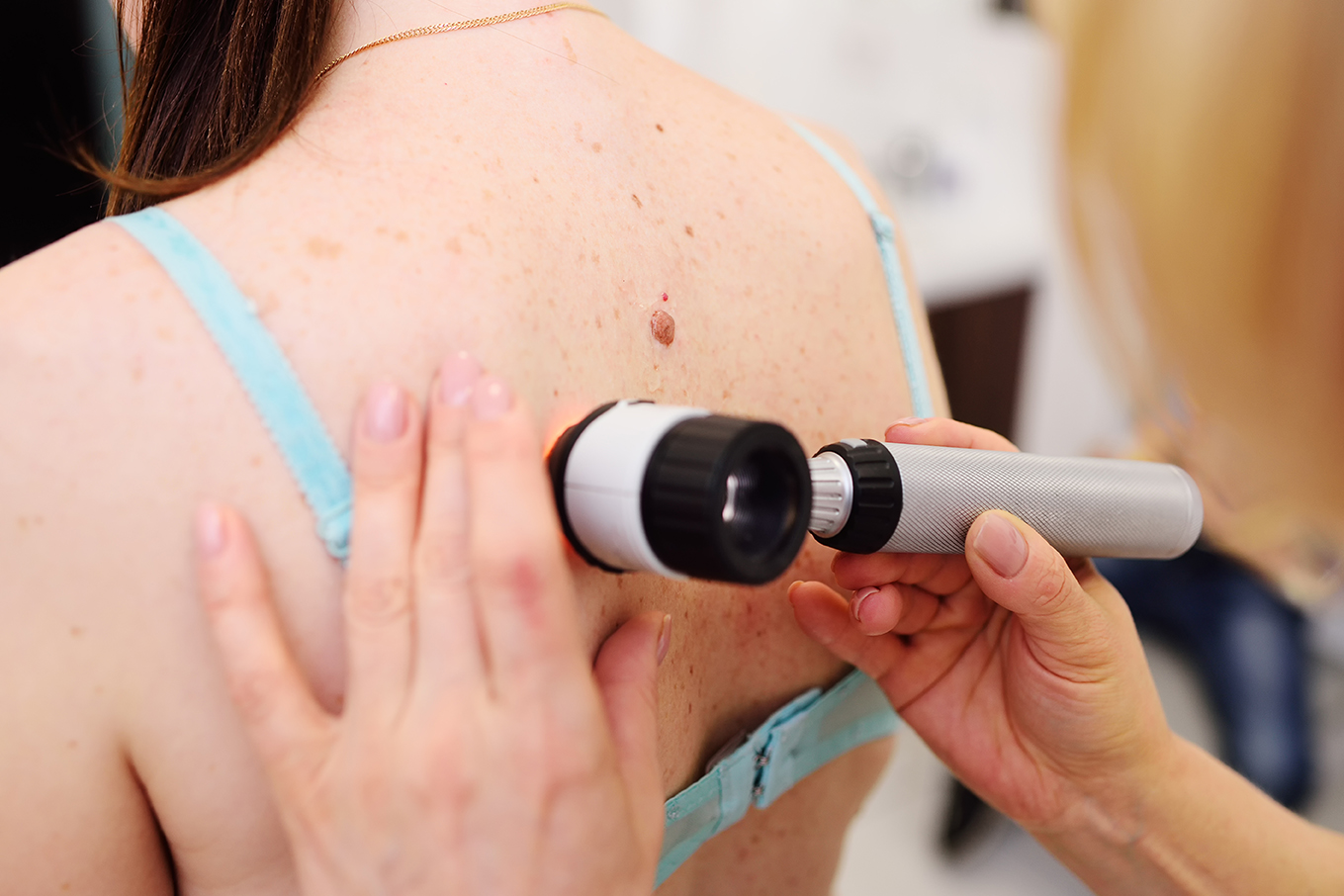
At Skin ChX, our practitioners use dermoscopy to examine suspicious lesions under magnification. This technology reveals features beneath the skin surface that aren’t visible to the naked eye, helping differentiate benign cysts from potentially dangerous growths.
For people living in regional Western Australia, where access to screening services can be limited, understanding these differences is valuable. However, self-diagnosis should never replace professional assessment.
When to Seek Assessment
You should have any new or changing lump assessed by a skin cancer screening practitioner, especially if it:
- Grows rapidly over weeks or months
- Bleeds easily or doesn’t heal
- Changes colour or develops irregular edges
- Feels firm and fixed rather than moveable
- Appears on sun-exposed skin
- Looks different from your other skin spots
Even if you suspect a growth is just a cyst, professional confirmation provides peace of mind. And if a cyst becomes painful, infected, or cosmetically concerning, treatment options are available.
WA’s Skin Cancer Context
Western Australia’s extreme UV exposure means residents face higher risks for skin cancer than most other places globally. While cysts are common everywhere, the likelihood of developing dangerous skin lesions in WA’s climate makes professional screening even more important.
Regular full-body skin checks allow practitioners to monitor both new and existing lumps, ensuring that anything concerning gets caught early. This proactive approach is particularly important for outdoor workers, people with fair skin, and anyone with a history of sun exposure.
Don’t Guess, Get It Checked
While understanding the differences between cysts and skin cancers is helpful, attempting to diagnose yourself is risky. Many skin conditions can mimic each other, and what appears benign may require closer examination.
If you’ve noticed a new lump or bump, or if an existing growth has changed, book an assessment with a qualified skin cancer screening practitioner. Early detection and accurate diagnosis always lead to the best outcomes.