- Chris Comans
- 0 Comments
When it comes to checking your skin, many people aren’t sure where to start. Should you go to a dermatologist? Or book in with a skin cancer clinic?
It’s a common question and an important one. The truth is, it depends on what you need. But more importantly, it depends on the quality of the assessment you’re receiving.
Because when it comes to skin cancer, early detection is everything, and not all skin checks are created equal.
Understanding the Difference
A dermatologist is a specialist in skin conditions. They manage a wide range of concerns, from acne and eczema through to complex skin diseases and cancers. In Australia, accessing a dermatologist typically requires a referral from your GP.
This can create additional steps, delays, and in some cases, longer wait times, particularly in regional or high-demand areas.
A skin cancer clinic, on the other hand, is focused specifically on skin cancer detection and management, and appointments are generally more accessible without the need for a referral.
These clinics are often designed to provide routine skin checks, monitoring, and treatment pathways for suspicious lesions.
However, within skin cancer clinics, the level of expertise varies significantly. That’s where it becomes important to look beyond the label.
Because simply booking a “skin check” doesn’t guarantee the quality of that check.
What Actually Matters in a Skin Check
Regardless of where you go, a high-quality skin check should be thorough, structured, and clinically detailed. Understanding what to expect during a professional assessment helps you evaluate the quality of care you’re receiving.
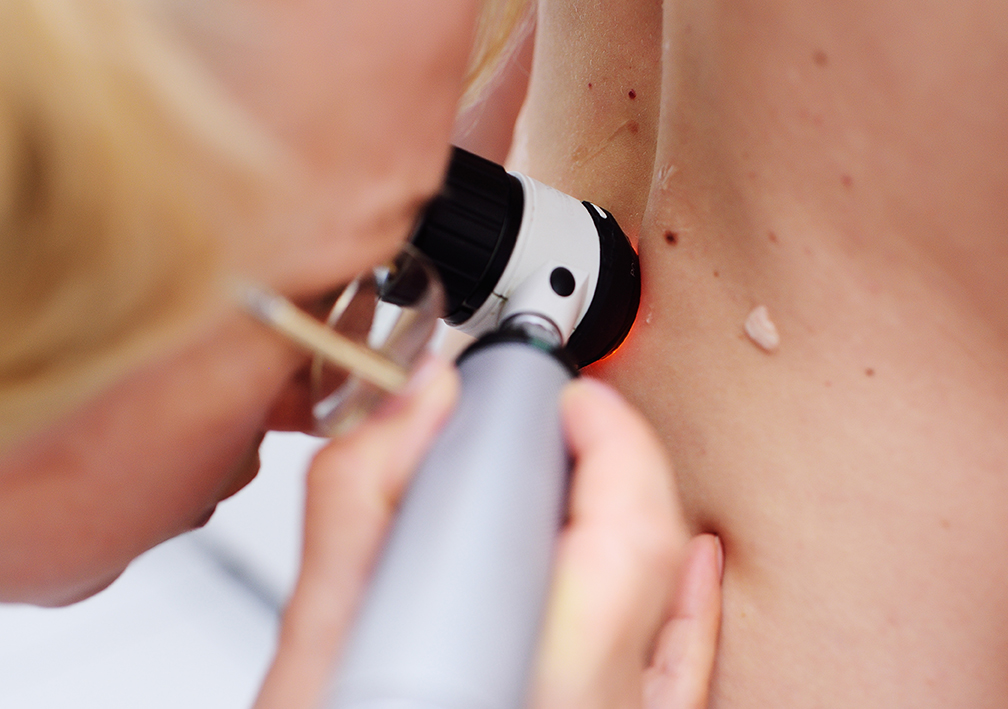
It should include a full clinical skin examination (not just spot checks or focusing on one area), dermoscopic assessment (a magnified evaluation beneath the skin surface), imaging where appropriate, particularly for monitoring lesions over time, detailed documentation and reporting, and clear follow-up pathways if something suspicious is identified.
A proper skin check is not rushed. It requires time, attention to detail, and a systematic approach. This is where experience and training in skin cancer detection becomes critical.
Because not all skin cancers are obvious. Some are subtle. Some don’t follow textbook patterns. And some can easily be dismissed without the right level of assessment. Knowing how to tell if a spot is dangerous requires professional expertise.
Why Expertise Matters
WA’s Extreme UV Environment
In Western Australia, we live with some of the highest UV exposure levels in the world. That means we see a high volume of skin cancers across all age groups, not just in older patients. Understanding why WA has such high rates helps explain why expertise matters so much here.
Subtle Cancers That Look Harmless
Many skin cancers are identified early, but only when assessed properly. Early melanomas may appear small or irregular. Some lesions have no dark colour at all. Basal cell carcinomas can look like a pimple, a shiny bump, or a spot that won’t heal.
What Detection Requires
At a glance, these lesions can appear harmless. But under dermoscopic assessment, their true nature becomes clear. Detecting these early requires pattern recognition through experience, skill in using dermoscopy, and clinical judgement about what needs monitoring or referral.
Technology Helps But Doesn’t Replace Expertise
Technology can support the process, but it does not replace clinical expertise. Relying only on visual inspection increases the risk of missing something. Advanced dermoscopy techniques are essential for accurate detection.
The Risk of a Quick Check
One of the most common issues seen in skin cancer detection is the “quick check”. This might be a brief visual glance, focusing only on a single lesion, or a rushed appointment without dermoscopic assessment.
While this may feel reassuring in the moment, it can lead to missed early skin cancers, delayed diagnosis, and more complex treatment later. A thorough skin check should never feel rushed. It should feel methodical, careful, and considered.
So, Where Should You Go?
Instead of focusing only on whether it’s a dermatologist or a clinic, it’s far more valuable to ask the right questions:
- Do they specialise in skin cancer detection?
- Do they perform full skin checks, not just spot checks?
- Do they use dermoscopy as part of every assessment?
- Is imaging used for monitoring where needed?
- Will you receive a clear, professional report?
- Is there a structured pathway if something suspicious is found?
These factors will have a far greater impact on your outcome than the title on the door. Understanding how often you should be screened is also important for ongoing protection.
The Bottom Line
Early detection saves lives, but only when it’s done properly. Where you go matters less than how thoroughly and expertly your skin is assessed.
In a high UV environment like Western Australia, regular skin checks should be part of your routine health care. And while specialist care absolutely has its place, access barriers such as referrals and wait times mean many people benefit from accessible, high-quality skin cancer screening as a first step.
At Skin ChX, our focus is comprehensive skin cancer detection using advanced dermoscopy and systematic assessment. We understand that in regional and remote areas of WA, access to specialist care can be challenging, which is why we bring professional screening directly to communities across the state.
If it’s been a while since your last skin check, or you’ve noticed something new or changing, don’t put it off. Getting the right assessment at the right time can make all the difference.