- Chris Comans
- 0 Comments
Many Australians assume that if a spot on their skin hasn’t changed in years, it can’t possibly be dangerous. This belief is one of the most common reasons people delay getting suspicious lesions checked.
In reality, some skin cancers remain stable for months or even years before suddenly changing, while others grow so slowly that change is barely noticeable.
Understanding how skin cancers behave over time is essential in Western Australia, where our extreme UV exposure creates conditions for multiple types of lesions to develop throughout our lives.
Not All Skin Cancers Follow the Same Timeline
The idea that all cancers grow quickly is a myth. While some skin cancers develop rapidly, others can remain relatively stable for extended periods before entering an aggressive phase.
Basal Cell Carcinoma Can Be Deceptively Stable
Basal cell carcinoma (BCC) is the most common skin cancer in Australia and often the slowest to change. Many BCCs appear as a small, pearly bump or persistent sore that stays roughly the same size for months or years.
People frequently mistake these for minor skin irritations because they don’t seem to be getting worse. However, even a BCC that appears stable is still growing beneath the surface, causing damage to surrounding tissue. In WA’s outdoor industries, workers often ignore BCCs on their face, ears, or neck simply because they’ve looked the same for so long.
The danger lies in assuming that no visible change means no action needed. BCCs that remain untreated for years can eventually become invasive, causing significant local destruction and requiring more complex treatment.
Squamous Cell Carcinoma May Stall Before Progressing
Squamous cell carcinoma (SCC) typically grows faster than BCC, but it can still appear relatively stable for extended periods. An SCC might present as a scaly patch or rough spot that doesn’t seem to change much over months.
However, SCCs carry a higher risk of spreading than BCCs, particularly in people with weakened immune systems or significant cumulative sun damage. What looks like a harmless, unchanging patch today could transform into an aggressive lesion tomorrow.
For outdoor workers across Western Australia, recognising early warning signs is critical. Even spots that seem stable deserve professional assessment, especially in high-risk groups.
Melanoma Can Have Long Dormant Phases
Melanoma behaviour is perhaps the most unpredictable. Some melanomas grow rapidly over weeks, while others can exist in a slow-growing phase for years before suddenly becoming aggressive.
Lentigo maligna, a type of melanoma that often appears on sun-damaged facial skin in older Australians, can remain relatively flat and stable for years before developing into invasive melanoma. This deceptive stability often leads people to dismiss it as an age spot or sun damage.
Even more concerning, melanomas can develop within existing moles that have been present and stable for decades. A mole you’ve had since childhood can suddenly change, which is why regular self-monitoring remains important regardless of how long a spot has been there.
Why Stability Doesn’t Mean Safety
In Western Australia’s harsh UV environment, skin undergoes continuous damage. Even when a lesion appears stable on the surface, cellular changes may be occurring beneath.
Several factors can influence when a stable lesion becomes aggressive:
- Further UV damage accumulating over time
- Changes in immune function due to age, illness, or medication
- Genetic factors that influence how skin cells respond to damage
- Existing sun damage that creates an environment for progression
The assumption that “it’s been there for years, so it must be fine” ignores the reality that skin cancer develops through accumulated damage. A lesion that has been stable can still represent a cancer that simply hasn’t entered its aggressive phase yet.
The Western Australian Context
WA’s Unique UV Environment
Western Australia’s geography and climate create unique challenges for skin cancer detection. Long hours of intense sunlight, reflective environments, and outdoor-focused industries mean most West Australians accumulate significant lifetime UV exposure.
Barriers to Screening in Regional Areas
For people living in regional and remote areas of WA, access to regular screening can be limited. When a spot has looked the same for years, it’s easy to deprioritise getting it checked, especially when travel or wait times are involved.
Bringing Screening to Your Community
This is exactly why Skin ChX brings screening services directly to communities across the state. We understand that distance and busy schedules shouldn’t prevent early detection.
When Professional Assessment Is Essential
If you have any spot that has been present for an extended period, professional assessment is the safest approach. Even lesions that appear stable warrant attention if they:
- Have been present for more than a few months without healing
- Look different from your other moles or spots
- Appear on sun-exposed areas like the face, ears, scalp, or hands
- Have any texture changes, even subtle ones
- Bleed, crust, or itch occasionally, even if they seem unchanged otherwise
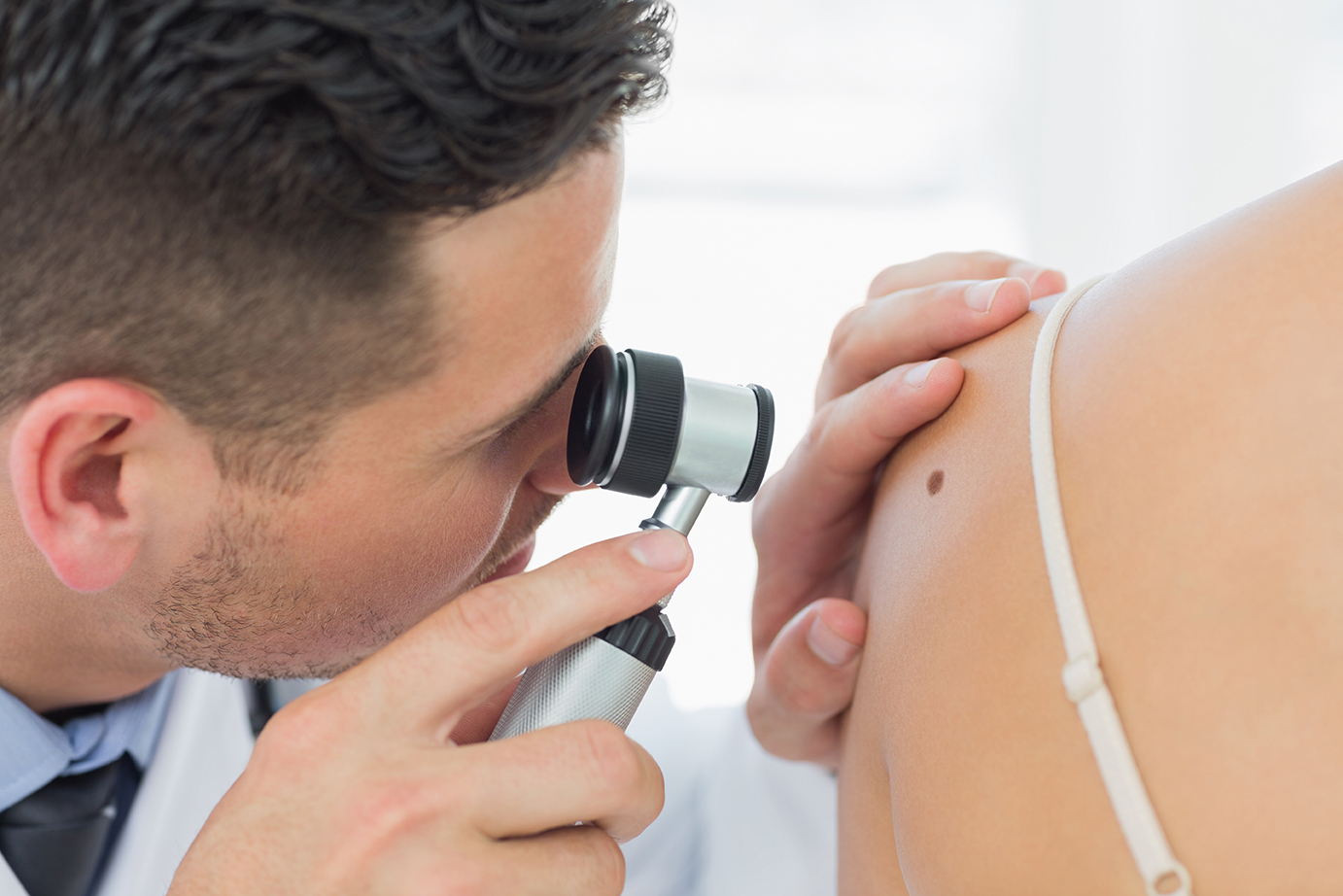
At Skin ChX, our practitioners use advanced dermoscopy to examine lesions beyond what’s visible to the naked eye.
This technology allows us to identify suspicious features in spots that may look stable on the surface but show concerning patterns under magnification.
Don’t Let Stability Create False Reassurance
The most dangerous assumption in skin cancer awareness is believing that unchanged means harmless. Many Australians discover cancers that they’ve been “keeping an eye on” for years, only to learn they should have sought assessment much earlier.
In Western Australia, where skin cancer rates remain among the highest globally, stability should never be mistaken for safety. Whether a spot has been there for weeks or years, professional screening gives you accurate information about what you’re dealing with.
If you have a lesion that concerns you, or if it’s been more than a year since your last full-body check, book an assessment with Skin Chx, a qualified skin cancer screening practitioner. Early detection remains your best protection, regardless of how long a spot has been present.