- Chris Comans
- 0 Comments
Skin cancer is often thought of as something that stays on the surface of the skin. While many skin cancers grow slowly and remain local for long periods, some types can spread internally, sometimes before a person realises there is a problem.
In Western Australia, this is an especially important issue. WA has one of the highest rates of skin cancer in the world due to high UV exposure, outdoor lifestyles, and a large proportion of fair-skinned residents.
How Skin Cancer Spreads
Skin cancer begins when damaged skin cells grow in an uncontrolled way. In some cases, these abnormal cells can move beyond the original site and travel through the lymphatic system or bloodstream to other parts of the body. This process is known as metastasis.
Melanoma Risk
Melanoma has the highest risk of spreading internally, particularly if not detected early. Australian research has consistently shown that melanoma thickness at diagnosis is the strongest predictor of spread.
Thicker lesions are more likely to move beyond the skin and affect lymph nodes or internal organs. Understanding how melanoma develops helps you recognise why early detection matters so critically.
Squamous Cell Carcinoma
Squamous cell carcinoma can also spread internally, particularly when occurring on high-risk areas like the lips, ears, or scalp. People with long-term sun damage or weakened immune systems face elevated risk. While SCC is less aggressive than melanoma, it still requires prompt treatment to prevent progression.
Basal Cell Carcinoma
Basal cell carcinoma is far less likely to spread internally, but it can still cause significant local damage if left untreated. BCCs grow slowly and rarely metastasise, but delayed treatment can result in extensive tissue destruction, particularly on the face.
Can This Happen Before Diagnosis?
Yes, and this is what makes regular skin checks so important. Some skin cancers may appear subtle, painless, or slow-growing, meaning they can go unnoticed for months or even years. During that time, more aggressive cancers may already be progressing beneath the surface.
Australian studies show that a proportion of melanomas are diagnosed only after symptoms such as swollen lymph nodes, unexplained fatigue, or persistent pain appear. These signs may indicate internal spread. In WA, where melanoma rates are particularly high, delayed diagnosis remains a significant concern.
Many people assume that if a spot doesn’t hurt or cause symptoms, it must be harmless. This dangerous misconception allows cancers to advance while people wait for obvious warning signs that may never appear. Recognising early symptoms before internal spread occurs can be lifesaving.
Why Western Australians Are at Higher Risk
Extreme UV Levels
Western Australia records consistently high UV index levels throughout the year, even outside of summer. Perth, Karratha, Port Hedland, and Broome all experience dangerous UV readings that damage skin continuously. Research from Cancer Council Australia highlights that cumulative sun exposure plays a major role in skin cancer risk.
Outdoor Lifestyle and Work
WA’s economy relies heavily on outdoor industries including mining, construction, agriculture, and marine work. Thousands of West Australians spend their working hours exposed to intense UV radiation. This occupational exposure creates conditions for aggressive skin cancers to develop.
Fair-Skinned Population
A large proportion of WA residents have fair skin, which offers less natural protection against UV damage. Combined with our outdoor culture and extreme sun exposure, this creates a perfect environment for skin cancer development and progression.
The Importance of Early Detection
Survival Rates
Australian skin cancer research consistently shows that early detection dramatically improves outcomes. When melanoma is identified early and confined to the skin, survival rates exceed 90%. Once melanoma has spread to lymph nodes or internal organs, treatment becomes more complex and outcomes vary significantly.
Treatment Simplicity
Early-stage skin cancers usually require straightforward removal procedures. Advanced cancers that have spread internally may require surgery, immunotherapy, targeted therapy, or radiation treatment. The difference between early and late detection can mean the difference between a simple excision and months of intensive treatment.
Professional Screening
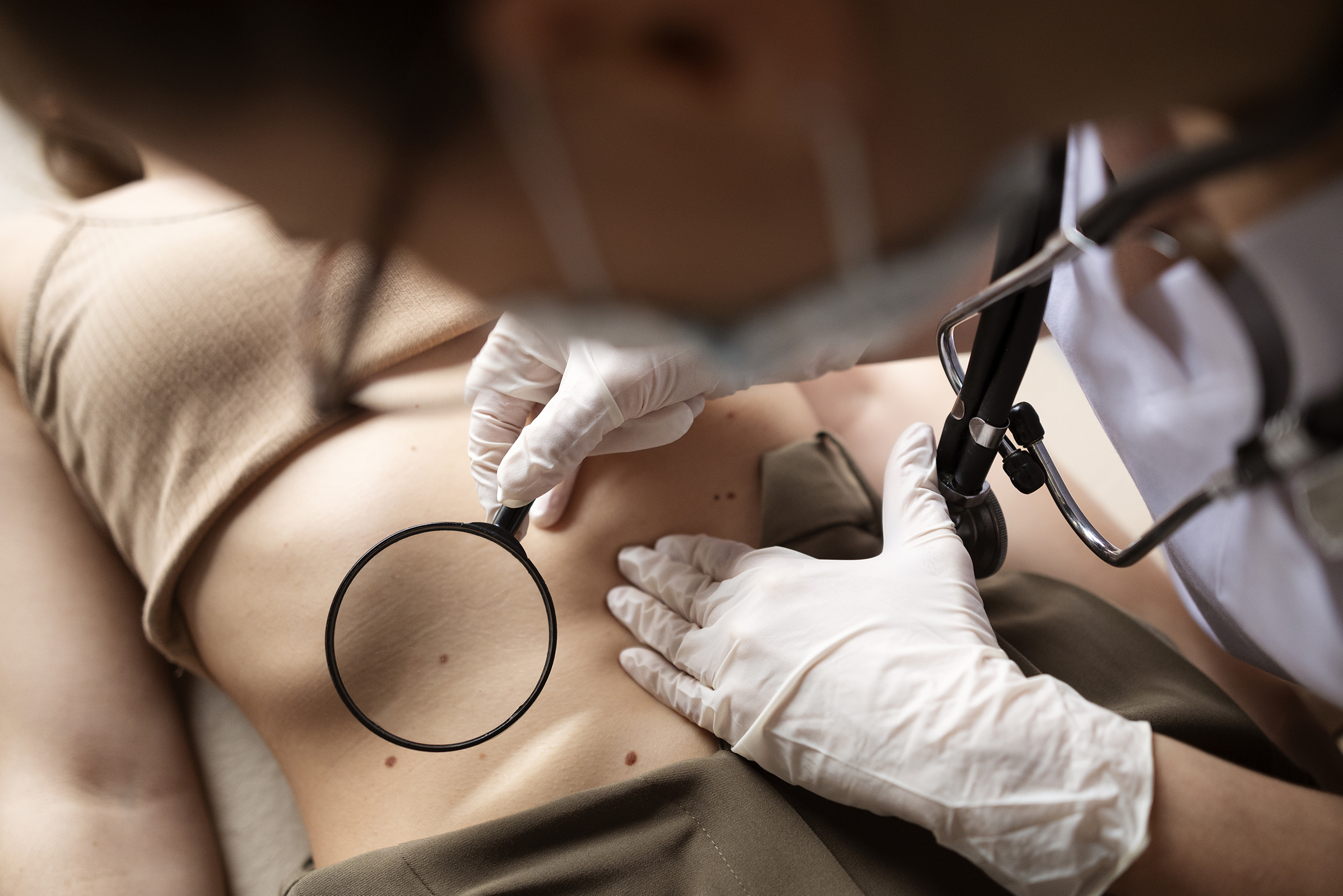
Regular screening by a qualified skin cancer screening practitioner allows for identification of concerning lesions before they progress. Comprehensive skin checks use advanced dermoscopy to examine spots that may look benign to the naked eye but show worrying features under magnification.
How Often Should You Be Screened?
General Population
Most Australians should have annual full-body skin checks. This allows practitioners to monitor existing spots and identify new changes early.
High-Risk Groups
People with multiple risk factors, including outdoor workers, those with fair skin, anyone with a history of skin cancer, or people with many moles, should be screened more frequently. Some practitioners recommend checks every six months for high-risk individuals.
Self-Monitoring
Between professional assessments, regular self-checks help you identify new or changing spots. Familiarising yourself with your skin’s normal pattern makes it easier to spot concerning changes.
Community Access in WA
For West Australians living in regional and remote areas, accessing regular screening can be challenging. Skin ChX addresses this by bringing professional skin cancer screening directly to communities across the state. Our practitioners travel to mining sites, rural towns, and coastal communities, ensuring distance doesn’t prevent early detection.
We understand that in WA’s vast landscape, access to healthcare services can be limited. This is why community-based screening programmes are essential for catching skin cancers before they spread internally.
Key Takeaway
Skin cancer can spread internally before diagnosis, particularly in more aggressive forms such as melanoma. In Western Australia’s extreme UV environment, staying vigilant and proactive is essential.
Don’t wait for symptoms to appear. Many skin cancers spread silently, causing no pain or discomfort until they’ve already progressed. Regular professional screening gives you the best chance of catching skin cancer when it’s most treatable.
If you haven’t had a skin check in the past year, or if you’ve noticed any new or changing spots, book an assessment with a qualified skin cancer screening practitioner.