- Chris Comans
- 0 Comments
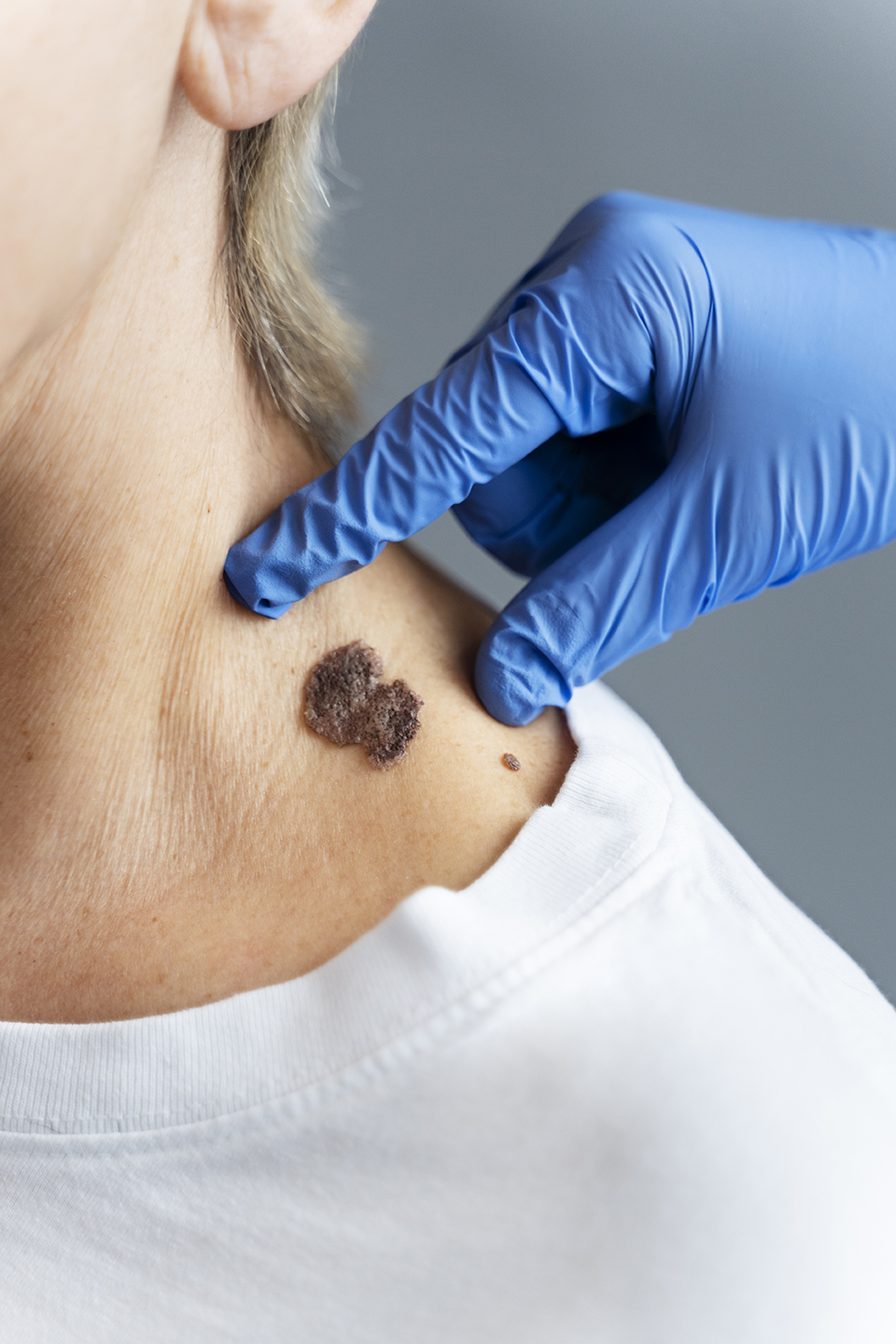
This is one of the most common questions asked after a basal cell carcinoma diagnosis. Many Australians worry their BCC could transform into melanoma.
The answer is no. Basal cell carcinoma does not turn into melanoma. These are distinct cancers that develop from completely different cell types.
Understanding the Difference
How Basal Cell Carcinoma Develops
BCC develops from basal cells in the deepest layer of the epidermis. When UV damage causes these cells to mutate, they grow abnormally and form a basal cell carcinoma. BCC is the most common skin cancer in Australia, with particularly high rates in Western Australia due to intense UV exposure.
How Melanoma Develops
Melanoma develops from melanocytes, the cells that produce melanin and give skin its colour. When these cells become damaged by UV radiation, they can transform into melanoma. Unlike BCC, melanoma has a much higher risk of spreading to other parts of the body if not caught early. Understanding how different types of skin cancer develop helps you recognise their unique characteristics.
Why They Can’t Transform Into Each Other
Because BCC and melanoma arise from completely different cell types, one cannot transform into the other. A basal cell will always produce BCC, and a melanocyte will always produce melanoma. This is similar to how an apple tree cannot turn into an orange tree.
Why the Confusion Exists
Shared Risk Factors
While BCC doesn’t turn into melanoma, having one type of skin cancer increases the risk of developing others. This is because both cancers share the same primary cause: cumulative UV damage. Australian studies show that people diagnosed with BCC have a higher likelihood of developing melanoma later in life, not because the BCC transforms, but because the UV damage has affected multiple cell types.
Multiple Skin Cancers Are Common
In Western Australia’s harsh UV environment, it’s common for people to develop multiple skin cancers over their lifetime. Someone might have several BCCs removed and later develop an unrelated melanoma or squamous cell carcinoma. For outdoor workers across WA, cumulative sun exposure creates conditions for multiple cancers to develop independently.
The WA Risk Profile
Record UV Exposure
Western Australia has some of the highest UV levels in the country. Perth regularly records UV index readings above 10 during summer, and northern WA experiences even higher levels year-round. This intense exposure damages both basal cells and melanocytes simultaneously, creating risk for multiple cancer types throughout a person’s lifetime.
Outdoor Industry Impact
WA’s mining, construction, agriculture, and marine industries mean thousands of people work outdoors daily. This occupational exposure significantly increases the risk of developing not just BCC, but also melanoma and squamous cell carcinoma. Understanding which industries face the highest risk helps employers and workers prioritise prevention and early detection.
Why BCC Should Still Be Taken Seriously
Local Damage Can Be Significant
Although BCC rarely spreads to other parts of the body, it can cause significant local damage if ignored. BCCs grow slowly but persistently, destroying surrounding tissue as they expand. Facial BCCs are particularly concerning because they can affect sensitive structures like the eyes, nose, and ears.
Treatment Is Most Effective Early
When caught early, most BCCs can be removed with simple procedures that leave minimal scarring. Delayed treatment often means larger excisions, more complex repairs, and higher risk of recurrence. Regular skin checks ensure BCCs are identified when they’re small and straightforward to treat.
Monitoring Matters After BCC Diagnosis
Increased Surveillance Requirements
Australian research supports ongoing skin surveillance for anyone with a history of skin cancer. Once you’ve had one BCC, your risk of developing additional BCCs or other skin cancers increases significantly. Most skin cancer screening practitioners recommend annual full-body checks for people with a BCC history.
Self-Monitoring Between Checks
Between professional assessments, regular self-skin checks help you identify new or changing spots early. Knowing what to look for and understanding the early warning signs of different skin cancers helps you recognise changes that need professional assessment.
Community Support in Regional WA
For West Australians living in regional and remote areas, accessing regular screening can be challenging. Skin ChX addresses this by bringing professional screening directly to communities across the state, ensuring distance doesn’t prevent early detection in mining towns, coastal communities, and rural areas.
Key Takeaway
Basal cell carcinoma does not turn into melanoma. They are distinct cancers arising from different cell types. However, having BCC does increase your overall risk of developing other skin cancers because it indicates significant UV damage to your skin.
If you’ve been diagnosed with BCC, continue with regular professional skin checks from Skin Chx and maintain diligent sun protection. For anyone concerned about skin changes or overdue for screening, book an assessment with a qualified skin cancer screening practitioner.