- Chris Comans
- 0 Comments
With summer fast approaching in Western Australia, it’s important to remember that even
Ten minutes of unprotected sun exposure can damage your skin. Sunburn, premature ageing, and potentially deadly skin cancers are all consequences of UV radiation, something our state experiences at some of the highest levels in the world.
But contrary to popular belief, your skin cancer risk doesn’t increase in summer because the weather is hotter. The real culprit is UV radiation, and understanding how it works can help you protect yourself and your family.
At Skin ChX, we see firsthand the long-term effects of UV exposure across WA. Our community and workplace screening programs regularly detect skin cancers, sometimes life-threatening ones on people who had no idea they were at risk.
With summer arriving and UV levels climbing, there has never been a more important time for West Aussies to prioritise sun safety and professional skin screening.
How the Sun Causes Skin Cancer
The vast majority of skin cancers are caused by ultraviolet (UV) radiation from the sun.
When your skin is exposed to UVA and UVB rays, the radiation damages the DNA inside
your skin cells. Over time this damage accumulates, causing mutations that lead to
uncontrolled cell growth—this is skin cancer.
Most skin cancers begin in the epidermis, the top layer of the skin, and the three most
common types are basal cell carcinoma, squamous cell carcinoma, and melanoma. These cancers can spread into surrounding tissue and to organs if not detected early.
Did you know? Just one peeling sunburn before the age of seven doubles your risk of
developing skin cancer.
Why Skin Cancer Is More Common in Summer
Skin cancer can develop any time of year, but your risk of damage increases in summer for
several key reasons.
1. UV Levels Are More Intense
UV protection is recommended when the UV Index reaches 3 or above. In WA, this often
happens year-round, but during summer UV levels frequently reach 11+, considered
extreme. At these levels, unprotected skin can burn in minutes.
2. More Time Outdoors
WA’s summer lifestyle means more time spent outdoors—beaches, boating, camping,
barbecues, and outdoor work—resulting in extended UV exposure.
3. Less Clothing Coverage
Warm weather means short sleeves and shorts, exposing more skin to UV radiation. Even
without visible sunburn, UV damage still occurs.
Is Skin Cancer Easier to Spot in Summer?
In summer you see more of your skin, so you may notice new or changing spots more easily. However, skin cancer screening practitioners often find it easier to detect abnormalities in winter when your summer tan has faded and pigmentation changes are more visible.
This is why year-round skin checks are essential. Skin cancer is most treatable when
detected early.
Does Heat Cause Skin Cancer?
No. Heat comes from infrared radiation, while skin cancer risk comes from UV radiation.
These are completely different forms of energy. UV radiation can’t be seen or felt, which is
why people get sunburnt even on cool or windy days.
How to Protect Your Skin This Summer
To reduce your risk of skin cancer:
- Wear SPF 50+ daily when UV levels are 3+
- Reapply sunscreen every 2 hours
- Wear long sleeves, broad-brim hats and sunglasses
- Seek shade during peak UV hours (10 am – 3 pm)
- Avoid tanning and solariums
- Protect children carefully—early UV damage lasts a lifetime
- Book screenings with a qualified skin cancer screening practitioner
Protect Your Skin With Skin ChX
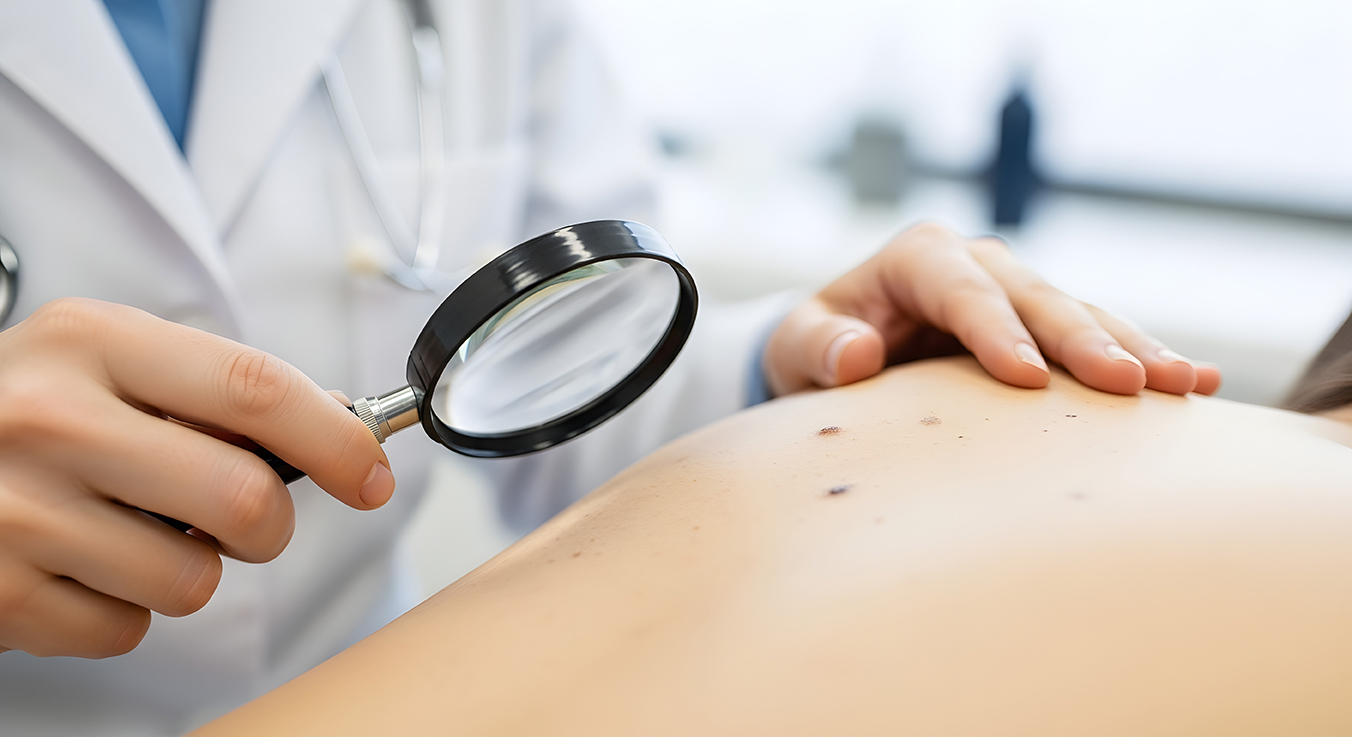
Skin ChX provides advanced community and workplace skin cancer screening across Western Australia. Using high-resolution dermoscopy and best-practice screening techniques, we detect skin cancers early—often long before they become visible to the untrained eye.
With summer UV intensifying across WA, now is the time to prioritise your skin health.